
Reconnecting with Nature: Can We Truly Rediscover a Life Beyond Technology and Materialism?
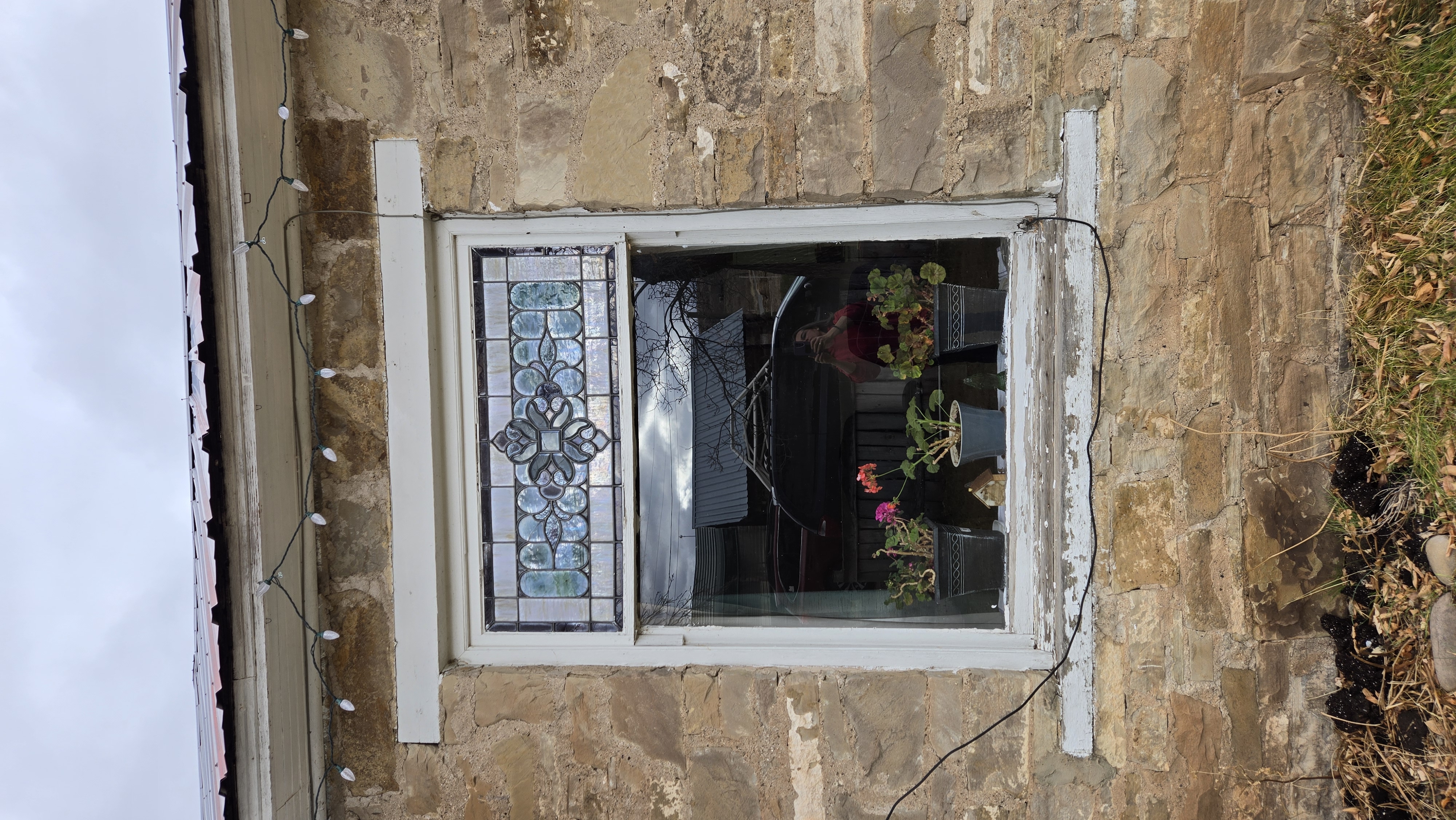
Imagine a day when every car stays parked, every screen goes dark, and every light is turned off. No buzzing phones, no humming appliances, no endless scrolling through feeds. Just silence, fresh air, and the gentle sounds of nature. What if this pause from our modern, technology-driven lives could help us see the world differently? Could it remind us that peace and happiness don’t come from money or possessions but from simpler, more natural ways of living?
This post explores what might happen if we slowed down enough to reconnect with the earth, rethink our values, and teach future generations to live in harmony with nature.
The Need to Step Outside and Breathe
Spending time outdoors is more than a leisure activity. Fresh air and sunshine support our physical and mental health. Studies show that exposure to natural light helps regulate sleep, boosts mood, and improves focus. Quiet moments spent listening to birdsong or rustling leaves can reduce stress and anxiety.
Yet, many people rarely experience true silence or unfiltered nature. Noise pollution from traffic, machines, and urban life drowns out these calming sounds. Taking a break from technology and cars even for a day could reveal how much we miss this natural peace.
What Would a Day Without Technology Look Like?
Picture a community where everyone agrees to switch off devices and avoid driving for 24 hours. Streets would be empty of cars, skies clearer without exhaust fumes, and nights darker without artificial lights. People might gather in parks or gardens, sharing stories, playing games, or simply sitting quietly.
This pause could help us notice how much energy we consume daily and how dependent we are on gadgets. It might inspire us to reduce electricity use, cut back on screen time, and seek more meaningful connections with people and nature.
Rethinking Our Relationship with Possessions
Modern life often ties happiness to owning more things—cars, clothes, gadgets, and plastic products. But these items come with hidden costs: pollution, waste, and a growing disconnect from the natural world.
What if we shifted focus from accumulating to appreciating? Instead of manicured lawns, we could plant edible gardens that feed both body and soul. Trees could replace concrete, improving air quality and providing shade. Choosing biodegradable materials like hemp, which grows quickly and renews itself, would reduce plastic waste and protect ecosystems.

The Power of Teaching Ecological Literacy to Children
The future depends on how we educate the next generation. Teaching children from an early age about nature’s importance can shape their values and habits. Lessons in gardening, home cooking, and living simply help children understand where food comes from and the impact of their choices.
Ecological literacy means more than facts; it means fostering respect and care for the environment. Children who grow up with these values are more likely to protect natural spaces and support sustainable living as adults.
Practical Steps to Bring Nature Back Into Our Lives
Create small green spaces: Even a balcony or windowsill can host herbs or flowers.
Support local food: Buying from farmers markets reduces transportation pollution.
Limit single-use plastics: Choose reusable or biodegradable options.
Spend time outdoors daily: Walk, hike, or simply sit in a park.
Practice mindful technology use: Set specific times to unplug and enjoy nature.
Get involved in community projects: Tree planting, clean-ups, or garden clubs build connection and impact.
Can We Reverse the Industrialized World?
Turning back to nature does not mean rejecting all modern advances. It means balancing technology with respect for the environment. By slowing down, reducing consumption, and teaching ecological values, we can create a healthier planet and a more peaceful life.
The challenge is big, but small changes add up. Imagine if every family planted a tree or grew some food. Imagine if every child learned to appreciate the earth as much as their devices. This vision is possible if we choose to make it real.
Life beyond technology and materialism is not about giving up comfort but about finding deeper satisfaction in nature’s gifts. Taking time to pause, breathe, and reconnect can open our eyes to what truly matters.


Comments